Boundaries that now define the City of Prior Lake and Spring Lake Township are projected to look significantly different in the not too distant future.
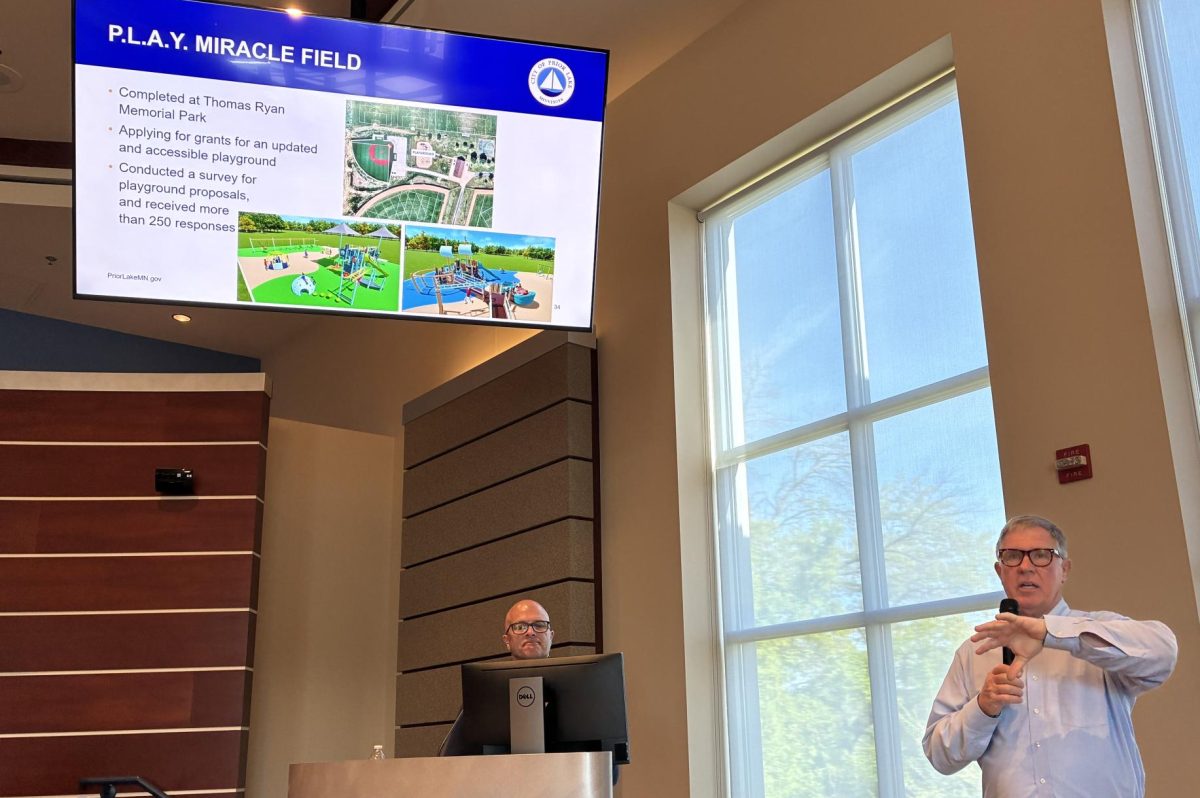
Prior Lake City Council members and staff discussed future development options during a study session held last month. Current plans identify 2,700 acres to be developed. Most of that land now lies in Spring Lake Township and will eventually be annexed into the city under agreements initiated in the early 1970s and updated in a 2024 orderly annexation agreement.
City staff is now preparing an update to its comprehensive plan and future urban services that will be needed as new developments are proposed. The latter involves the city completing its Alternative Urban Areawide Review (AUAR) that will identify sanitary sewer, water main and stormwater management needs, along with future road improvements and parkland designation, according to City Manager Jason Wedel. The review is good for five years and will be done in conjunction with an update of the comprehensive plan, which is required every 10 years by the Metropolitan Council.
“There is no specific timeframe as to when that property will transition from Spring Lake Township to Prior Lake,” Wedel said, adding that the AUAR will help define future service needs. “This will be development-driven and will occur over the next 15 to 20 years.”
Based on the city’s current plan, more than 2,000 acres of the study area will be developed as residential property. The study also identified 620 acres to be used for future business, commercial and industrial purposes.
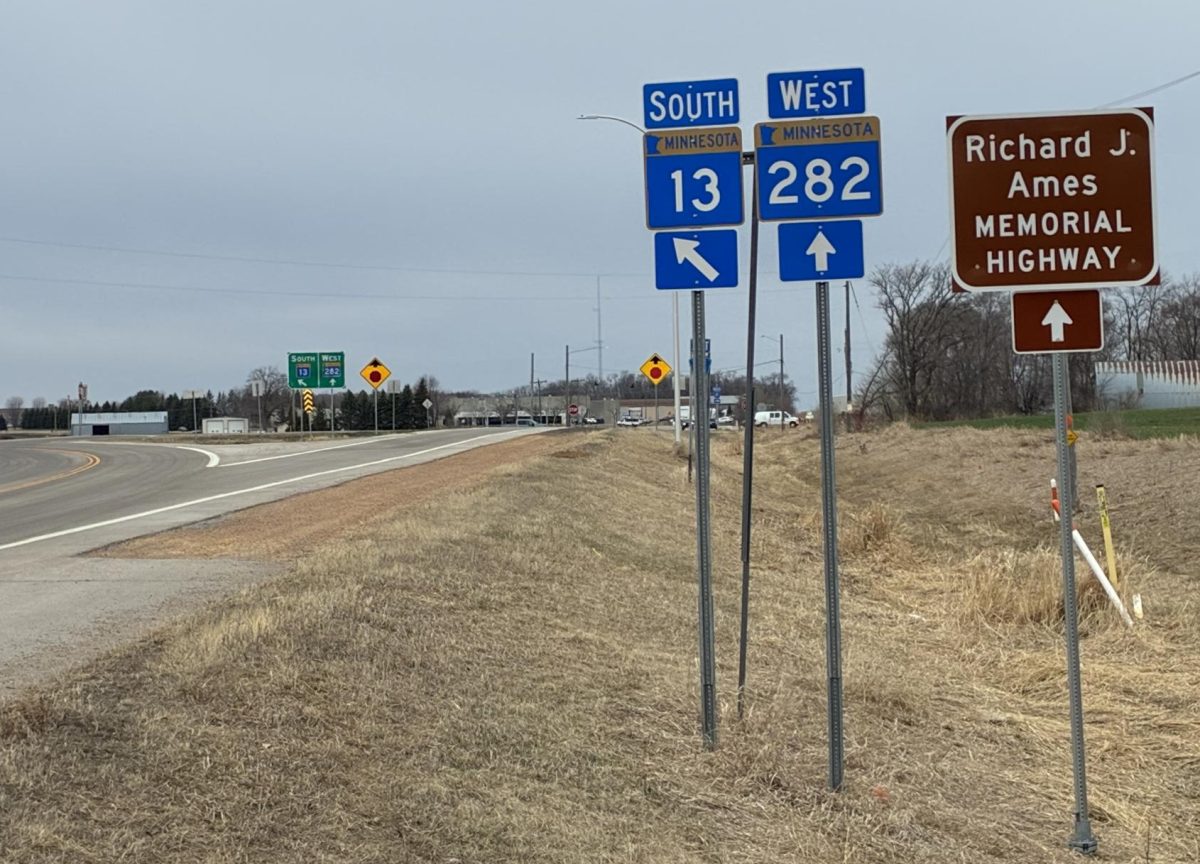
In preparing for future needs, the study includes significant changes to the current roadway infrastructure located near county roads 12 and 17, Marschall Road, Spring Lake and the intersection at highways 13 and 282.
Other anticipated improvements are:
- Construction of three wells and extension of city water to service the annexed area;
- Expansion of sanitary sewer services;
- Developing regional stormwater facilities based on development;
- Revising the existing road network that would involve 170th Street becoming County Road 12;
- Installing two roundabouts, with one located at the current intersection of County Road 12 and Marschall Road, followed by the second where highways 13 and 282 intersect with Marschall Road; and
- Reserving space for four neighborhood parks and one regional park.
Current projects being reviewed include:
- Two residential developments — Campbell Shores with 62 single-family homes and land owned by the Pieper family that could be developed with approximately 250 homes.
- An extension of utilities to the south enabling development of land designated for commercial development.
“The city council has always been adamant that growth needs to pay for itself,” Wedel said, adding that Prior Lake is pretty much out of options for future business development. Pursuing what was agreed to in the annexation plan will open more opportunities for commercial and industrial growth, along with increasing the city’s tax base. Approximately 93% of Prior Lake’s current tax base comes from residential development, while only 7% is derived from commercial and business entities.
The next steps in the AUAR include publishing the update in the Environmental Quality Board Monitor to seek public comment.
Wedel said the two residential developments are what is driving the need for this study. The city council has given approval for a feasibility study to be conducted on the 170th Street portion of the area since utilities and streets would need to be extended west past properties that have not requested to be developed. If the city were to initiate that project, the funding needed for improvements would likely include assessing all of the benefiting properties along that corridor, according to Wedel.
While the annexation plan and future development options have been on the table for decades, all could be upended if a bill that’s been discussed in the Minnesota House of Representatives during the current legislative session passes. The proposed bill, House File 3895, referred to as the “Starter Home Act,” would limit local governments’ authority over certain housing types, and specifically encourages development of mixed housing types and higher densities. Its aim is to promote increased residential density, smaller lot size mandates and more affordable housing options throughout the state.
If passed, most Minnesota cities would be forced to accept development proposals with higher densities than currently allowed, even if lower densities were previously defined by a local government body. Wedel said passage would make it difficult for any municipality to correctly estimate what will be needed for future development needs. The bill’s passage would also mean cities would lose control over the kind of development that was slated for a specific area, and could result in cities spending millions of dollars to increase the size of utilities and streets to accommodate additional density.
As of March 23, the bill was voted down in the House Elections Finance and Government Operations Committee but could be resurrected before the end of this year’s legislative session, or in future years, Wedel said.
Prior Lake will be required to present an updated comprehensive plan within the next two years. Wedel said city council members are left questioning the need to spend $350,000 on the update, if its ability to enforce the local plan is taken away from local governments in the future.
The AUAR will be back on the city council’s agenda for consideration of approval at its April 28 meeting.