Dr. Michael Thomas, Prior Lake-Savage Area Schools superintendent, will lead three town hall meetings in February to discuss the district’s future financial forecast and options to address projected shortfalls, including a fall referendum.
The meetings are open to all residents and are scheduled for the following dates, times and locations:
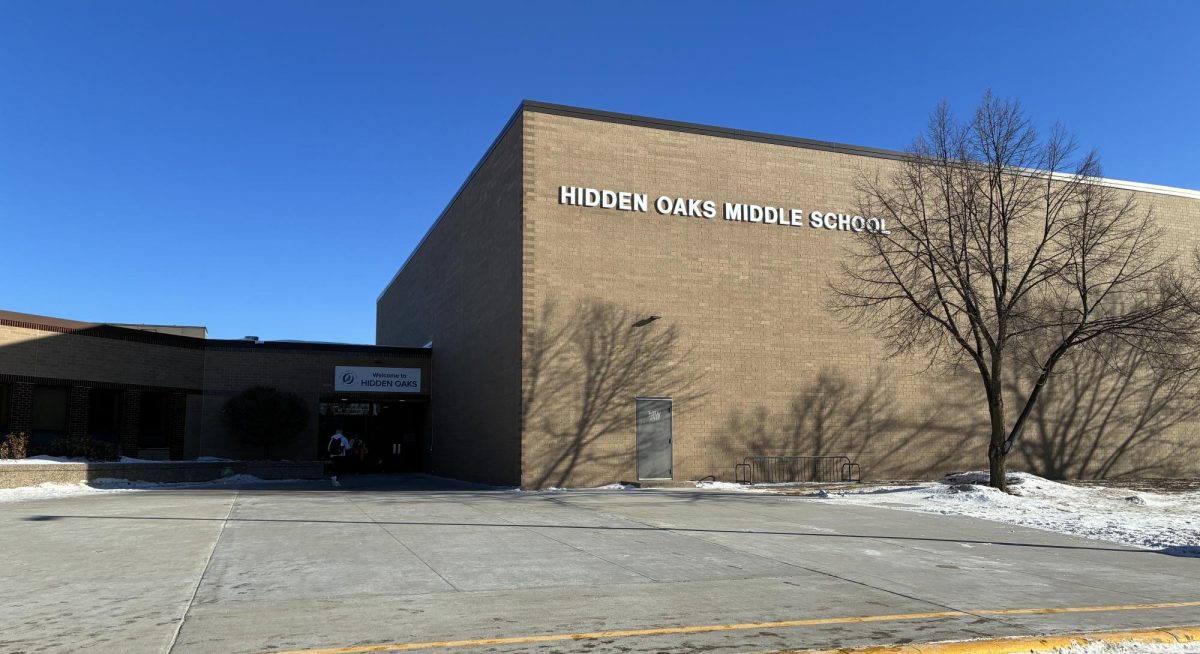
- Thursday, Feb. 5, 6 to 7:30 p.m., Hidden Oaks Middle School, 15855 Fish Point Road S.E. Prior Lake
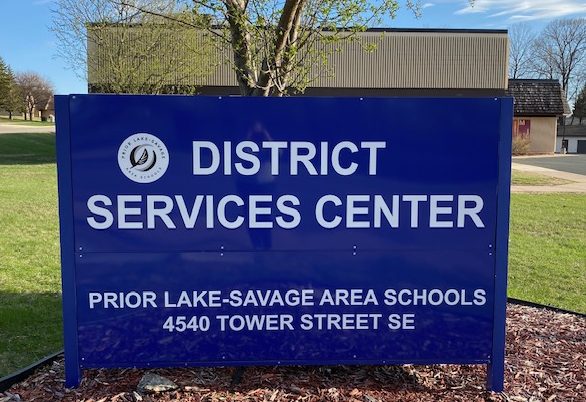
- Tuesday, Feb. 10, 2 to 3:30 p.m., District Services Center, 4540 Tower Street S.E., Prior Lake
- Wednesday, Feb. 25, 6 to 7:30 p.m., District Services Center, 4540 Tower Street S.E., Prior Lake

The district’s financial outlook has dominated board discussion and major decisions made in the past year. Updated projections were shared at the regular board meeting held Jan. 12 and a Jan. 26 study session.
At both meetings, Lisa Rider, executive director of business services, painted a bleak picture about the district’s future finances, despite an existing referendum in place through the 2027-28 school year. Declining fund balances in recent years forced the board to authorize major operational changes in 2025, which included the sale of the District Services Center building, staffing and program cuts, and changing the use of WestWood Elementary as a neighborhood school, resulting in attendance boundary revisions throughout the district.
In total, board members have approved more than $8 million in cuts in the past two years.
Rider said nearly every district in the Twin Cities metro area is experiencing similar financial challenges. Of the 50 districts in the metro area, however, Prior Lake falls to the bottom 10 in the amount of referendum dollars it currently receives through a levy approved years ago by district residents.

PLSAS continues to collect $624 per pupil from the referendum approved eight years ago. Most neighboring metro districts currently receive additional per-pupil funding ranging between $1,500 to $3,000 due to referendums passed by voters in their respective district.
Had the board that was in place when the referendum was floated in 2017 approved an annual inflation clause to be assessed on top of the base amount, the district would have collected an estimated $12.6 million more in funding over its 10-year lifespan, according to Rider.
Referendum options expected to be outlined at the upcoming town hall meetings include:
- Keep the current referendum in place as is until it expires in two years;
- Revoke the current referendum and add an inflationary adjustment for a 10-year period;
- Revoke the current referendum, establish a new per-pupil funding amount and include the inflationary adjustment for a 10-year period; and
- Revoke the current referendum, establish a new per-pupil funding amount, add the inflationary adjustment for a 10-year period and add capital project funding.
The decision on which option will be put to a public vote will be made by the board in the coming months.
Passage of any new referendum would not wipe out future concerns about school funding, Rider said. She confirmed to board members during the study session that projections show the district having a negative fund balance starting in the 2029-30 school year, even if any of the new referendum options are passed.
“Passing a new referendum doesn’t eliminate our challenges moving forward,” Rider said, adding that most districts will share similar struggles due to declining student counts and the increase in costs associated with staffing and transportation, both of which continue to go up at a much higher rate than what can be replaced with new referendum revenue. “We will need to continue to make budget cuts in the future. This is a long-term structural issue.”